7 Mistakes You’re Making with Deck Staining (And How to Fix Them Before the Chicago Summer)
Hey there friend! As the calendar turns to late March here in the Windy City, we all know what’s coming. That first 60-degree day hits, and suddenly every neighbor from Logan Square to Andersonville is outside, coffee in hand, staring at their weathered deck.
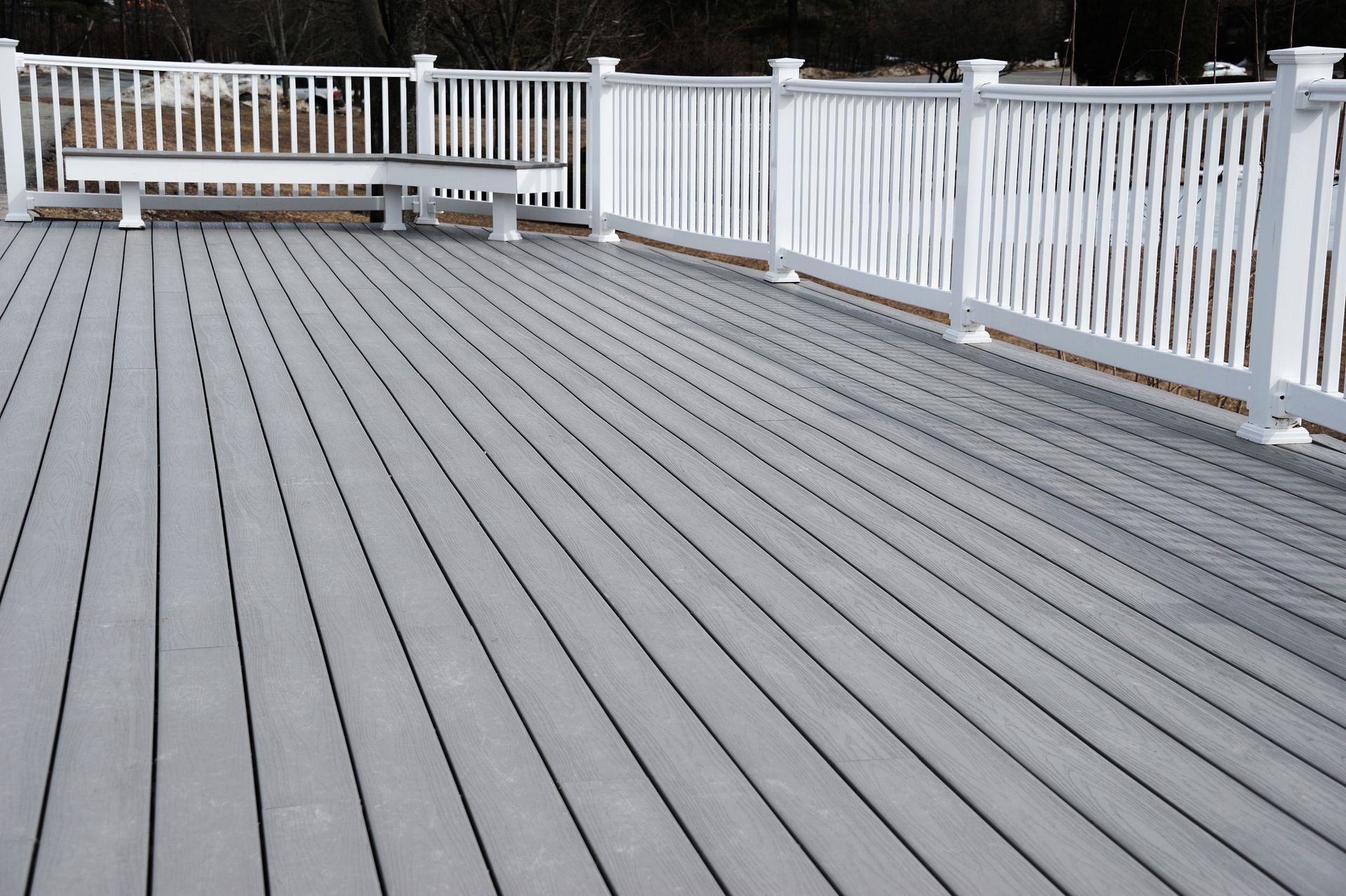
At McMaster Painting and Decorating, we’ve seen it all. We love our Chicago summers, but man, our winters are brutal on exterior wood. Whether you’ve got a cozy cedar porch in Wrigleyville or a sprawling multi-level deck in Lincoln Park, getting the stain right is the difference between a pristine outdoor oasis and a peeling, sticky mess.
If you’re planning on tackling deck staining in Chicago this spring, hold your horses for just a second. Before you head to the hardware store, let’s walk through the seven most common mistakes homeowners make: and how our team of professionals ensures a polished, long-lasting finish every time.
I. Skipping the "Nitty-Gritty" Preparation
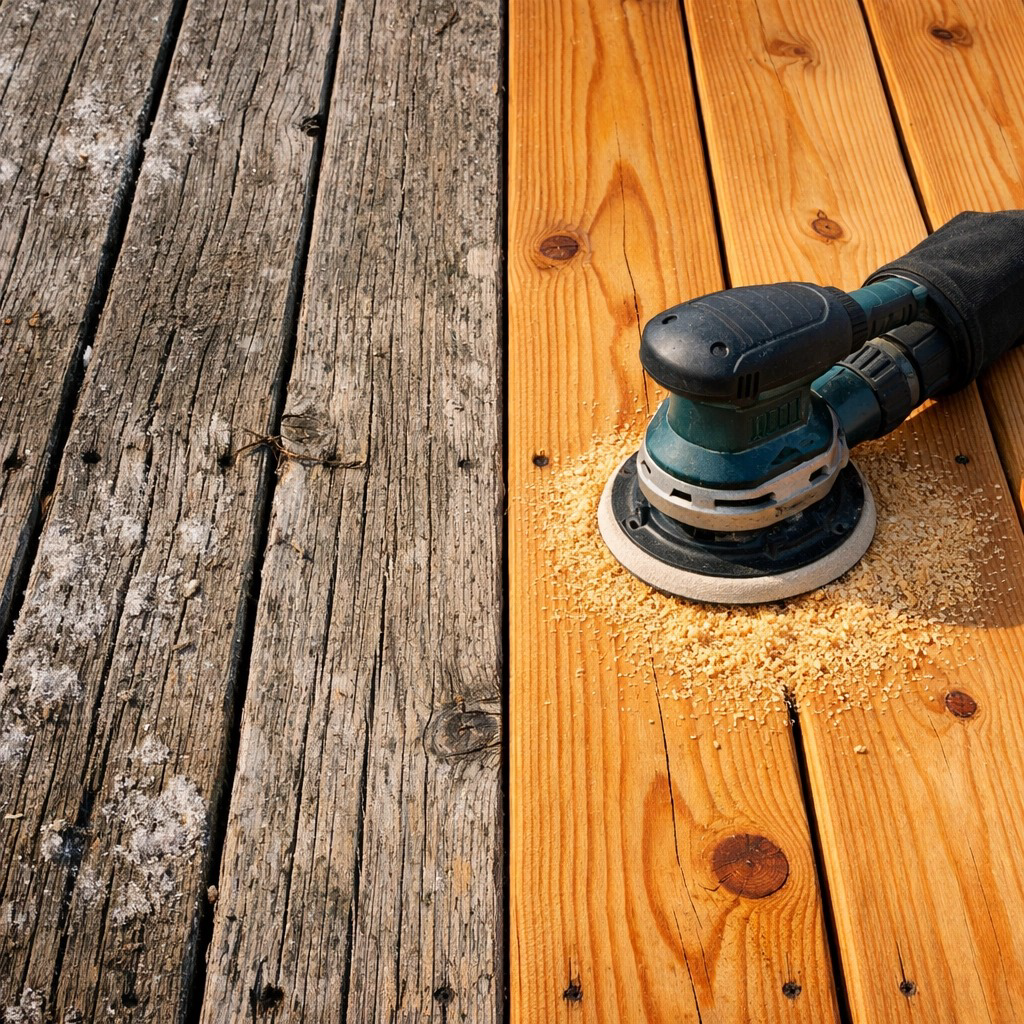
The most common mistake? Thinking a quick spray with a garden hose is enough preparation. We get it: you’re excited to see that vibrant new color. But if you skip the deep clean and the sanding, you’re essentially building a house on sand.
Dirt, pollen, and microscopic mildew spores live in the grain of your wood. If you trap them under a layer of stain, the product won’t adhere properly. Within a few months, you’ll see the stain start to flake off in patches.
How to Fix It: You need to use a dedicated deck cleaner to lift the grime. After cleaning, wait for the wood to dry and then perform a light sanding. Sanding opens up the "pores" of the wood, allowing the stain to penetrate deep into the fibers. It makes the whole space feel fresh again and ensures your hard work doesn't wash away with the first July thunderstorm.
II. Ignoring the "Ghost" of Stains Past
Are you switching from a transparent oil-based stain to a solid acrylic? If so, you can’t just paint over the old stuff. Failing to strip the previous finish is a recipe for an uneven, blotchy disaster. New stain needs to bond with the wood, not sit on top of an old, failing sealant.
How to Fix It: If your deck has an existing coating that is peeling or uneven, use a high-quality deck stripper. This breaks down the old finish so it can be power-washed away (carefully!). For high-end deck refinishing in Chicago, we often recommend a complete strip-and-sand process to bring the wood back to its natural state before we apply the first drop of new color.
III. Choosing the Wrong "Armor" for Your Wood
Not all stains are created equal. We often see homeowners choose a stain based solely on a tiny color swatch without considering the condition of their wood or the amount of sun it gets.
- Transparent Stains: These highlight the beautiful natural grain but offer the least UV protection. Great for brand-new cedar.
- Semi-Transparent: The "Goldilocks" of stains. You still see the wood grain, but you get more pigment to block the sun.
- Solid Stains: These look more like paint. They provide the ultimate protection and are perfect for older decks in Rogers Park that might have some permanent staining or wear.
How to Fix It: Check out our painting project gallery to see how different finishes look in real-world Chicago settings. If your deck is older, lean toward a solid or semi-solid stain. If it’s a newer installation in the Gold Coast, a semi-transparent might be the way to go to showcase that high-end lumber.
IV. Fighting the Chicago Weather Clock
Timing is everything. In Chicago, we have a very narrow window for perfect porch painting and staining. If it’s too cold, the stain won't cure. If it’s too hot (over 90°F), the stain dries before the wood can absorb it, leading to lap marks and streaks. And don't even get us started on the humidity!
How to Fix It: Keep a close eye on the forecast. You need a 48-hour window where the temperature stays between 50°F and 90°F, with no rain in sight. In Chicago, late May and early June are usually our "sweet spots." Avoid staining in direct, midday sunlight; work in the shadows or during the early morning hours to ensure the wood stays cool enough to drink up the stain.
V. Using the "Bargain Bin" Toolset
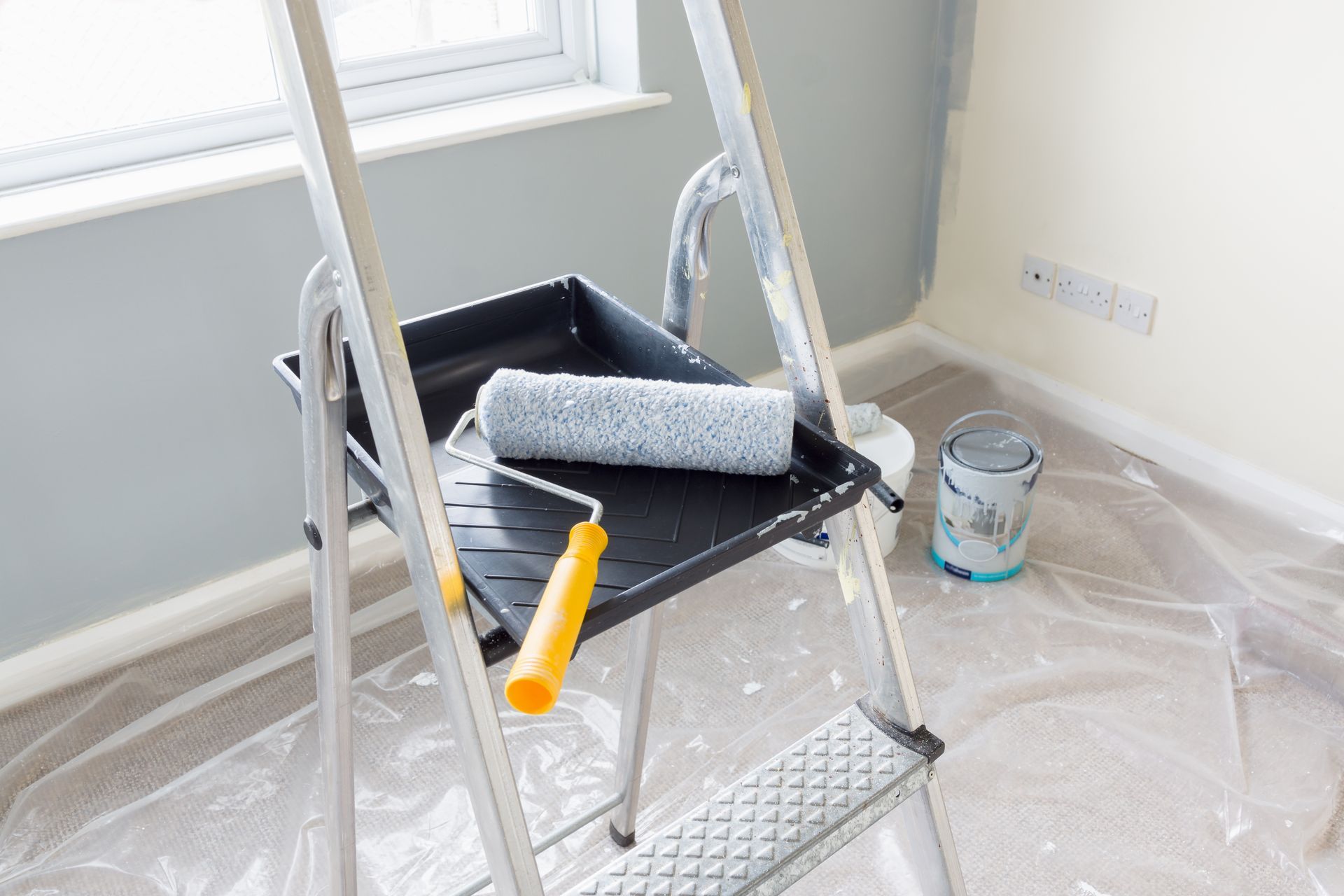
It’s tempting to grab the cheapest roller and a plastic tray and get to work. However, cheap rollers often leave lint in your finish, and low-quality brushes don't hold enough product, leading to uneven application.
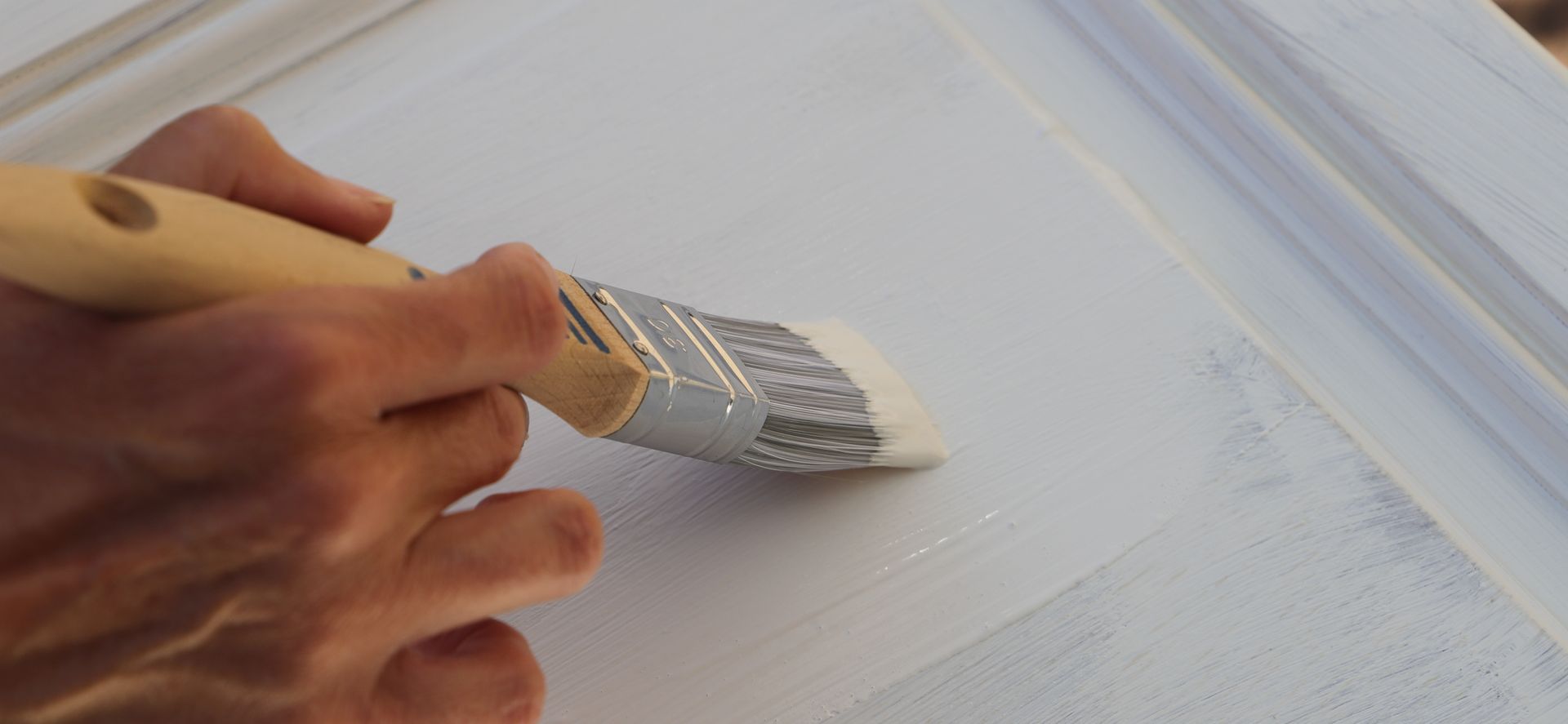
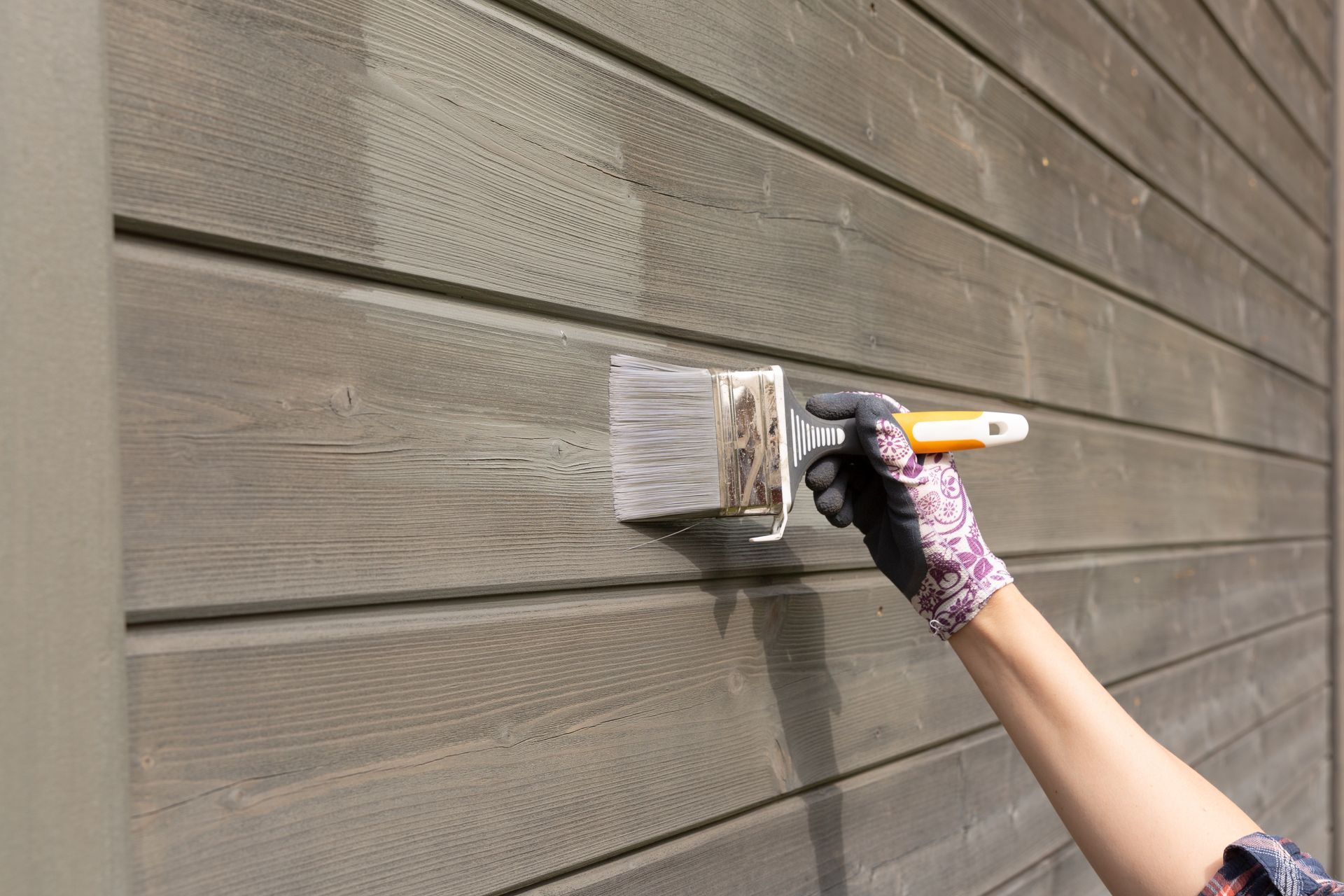
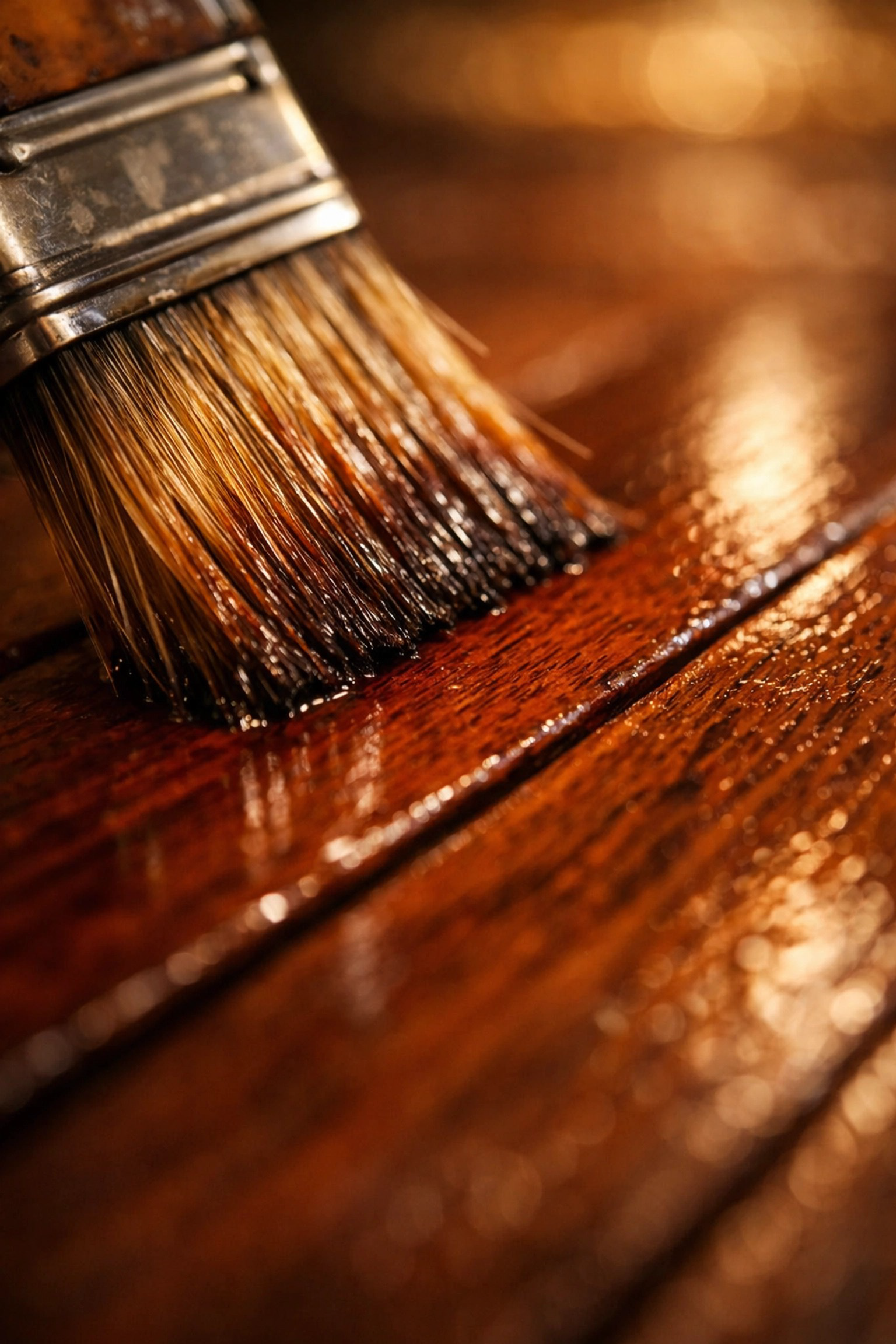
How to Fix It: Invest in a high-quality, natural bristle brush if you're using oil-based stains, or a synthetic brush for water-based products. For the best results, we recommend "back-brushing." Even if you use a roller or a sprayer to get the product onto the deck, follow behind with a brush to push the stain into the wood grain and cracks. It’s a bit more work, but the results are breathtakingly polished.
VI. The "More is Better" Misconception
When it comes to deck stain, more is definitely not better. If you apply the stain too thickly, or add a second coat when the first hasn't fully dried (or isn't designed for a second coat), you’ll end up with a sticky, tacky surface that never fully hardens. This surface will attract dirt, dog hair, and leaves like a magnet.
How to Fix It: Always read the manufacturer’s instructions. Most high-quality stains are designed to be "one and done." Apply a thin, even coat. If you see puddles forming, use your brush to spread them out immediately. Your goal is for the wood to absorb the stain, not for the stain to create a thick film on top.
VII. Ignoring the "Invisible" Enemy: Moisture
Even if the sun is shining, your wood might still be wet inside. Staining a damp deck is the fastest way to ensure the finish peels off by Labor Day. Wood is like a sponge; if it’s already full of water, there’s no room for the stain to go.
How to Fix It: Use the "Splash Test." Drop a bit of water on several areas of the deck. If the water beads up, the wood is either still too wet or still has an old sealer on it. If the water soaks in quickly, you’re ready to go. Professional residential painting services often use moisture meters to ensure the wood's internal moisture is below 15% before beginning.
Why Choose McMaster for Your Deck Transformation?
We know that your home is your sanctuary. At McMaster Painting and Decorating, our core values of integrity and hard work mean we never take shortcuts on your deck painting services. We treat every Edgewater backyard and Uptown balcony as if it were our own.
As a locally-owned business, we take immense pride in helping our neighbors prepare for the season. We don't just "slap on some paint"; we provide a comprehensive consultation to ensure the products we use will withstand the specific micro-climates of Chicago's neighborhoods.
"McMaster transformed our gray, splintering deck into the highlight of our home. They were professional, clean, and the finish is absolutely pristine. We’re finally ready for grilling season!" – Sarah J., Lincoln Square

Ready for a Stress-Free Summer?
Don’t spend your precious Chicago weekends struggling with a DIY project that might not last. Let us handle the heavy lifting, the stripping, the sanding, and the precision application. Whether you need commercial painting services for a restaurant patio or a refresh for your home’s porch, we are here to help.
Start your transformation today! Click the link below to reach out for a free, no-pressure estimate. Let’s make your deck the envy of the block before the first beach day arrives.
Get Your Stress-Free Painting Estimate Here
Want to see what else we’ve been up to? Check out our recent projects or explore more tips on our blog!

![[HERO] Beyond the Rust: Professional Wrought Iron Painting & Prep for Chicago Homes](https://lirp.cdn-website.com/32bc8ee2/dms3rep/multi/opt/QGO14ovSzoD-1920w.webp)